
STAY FRESH’s 31 DAYS OF HALLOWEEN: Year Seven, Day Two
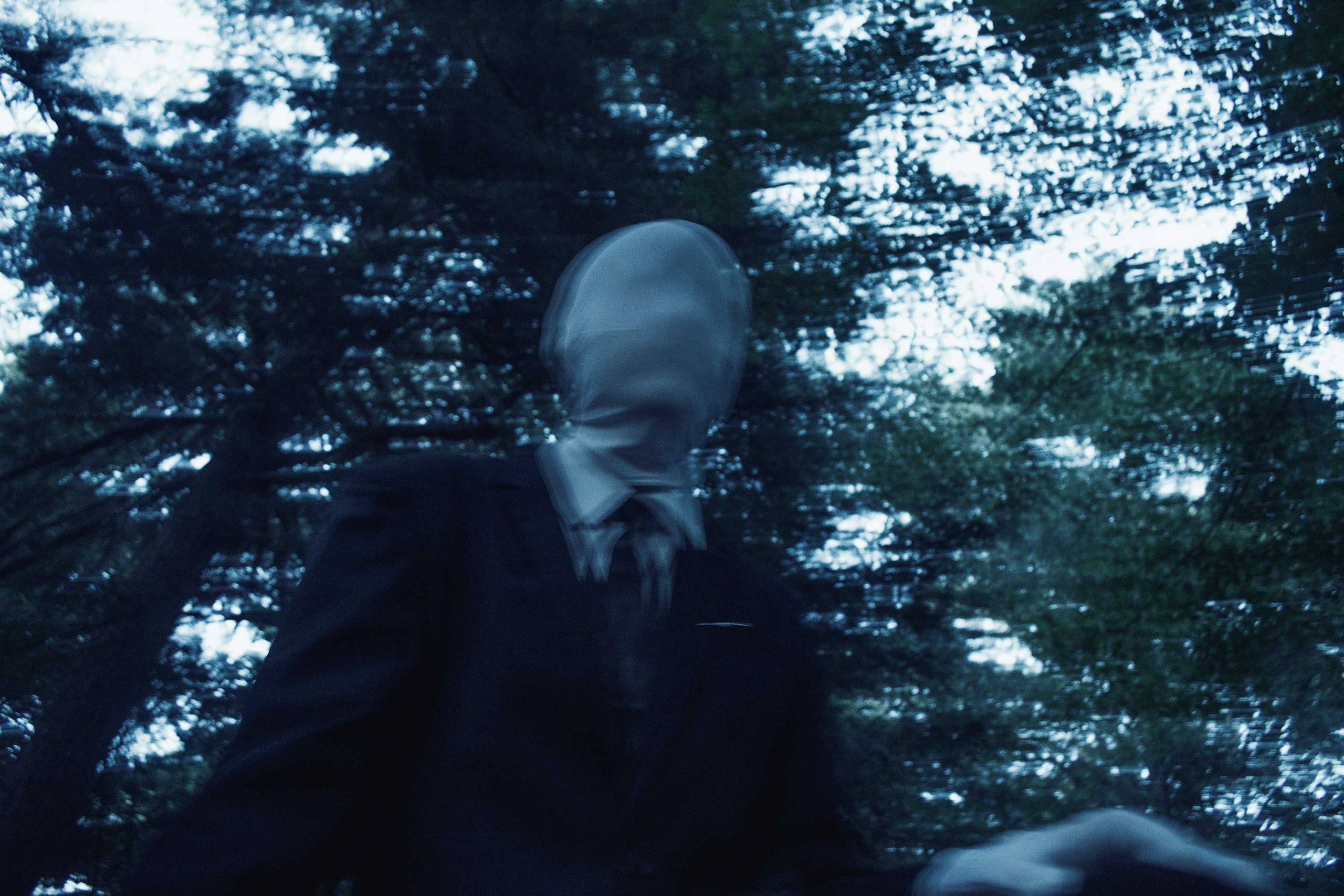
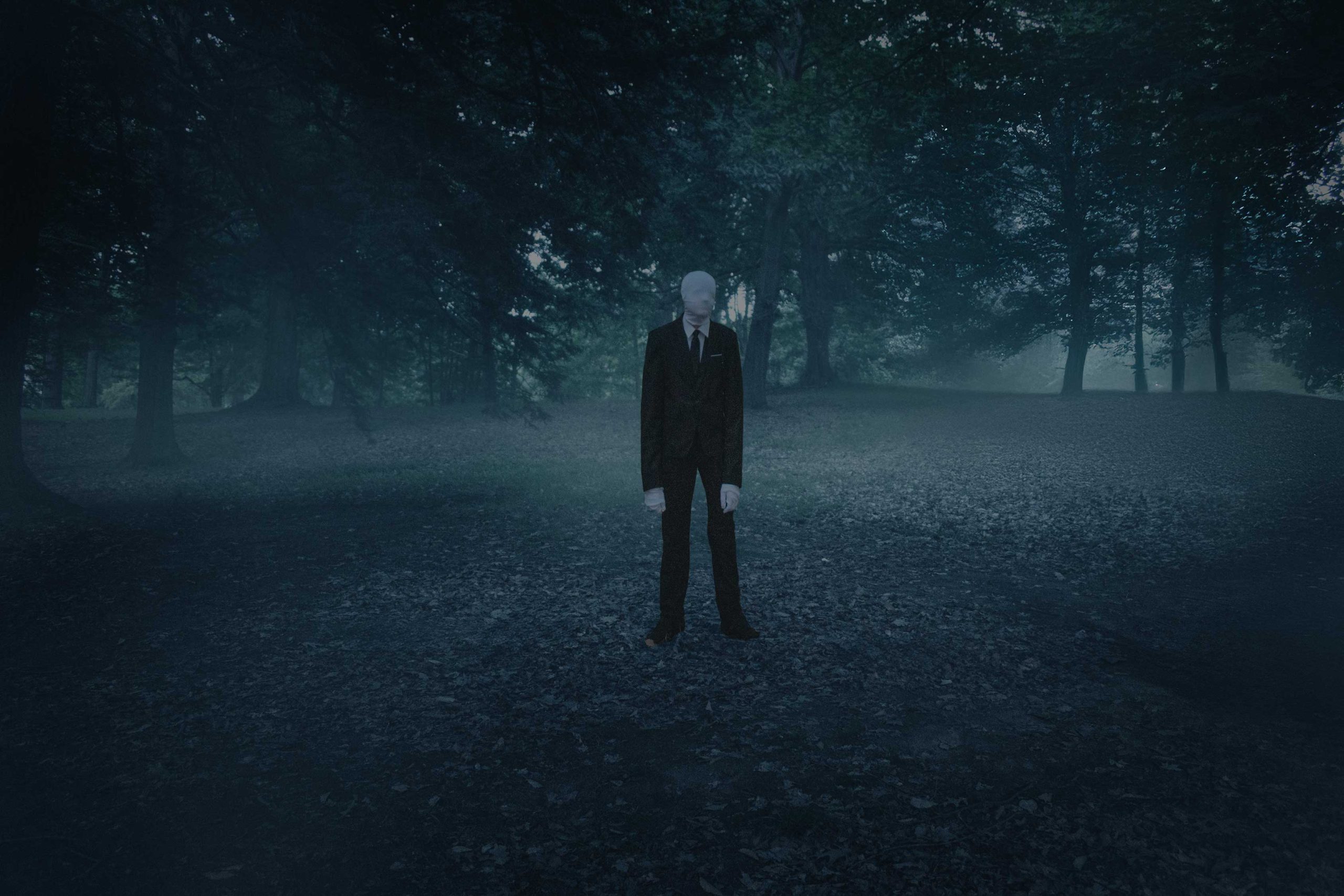
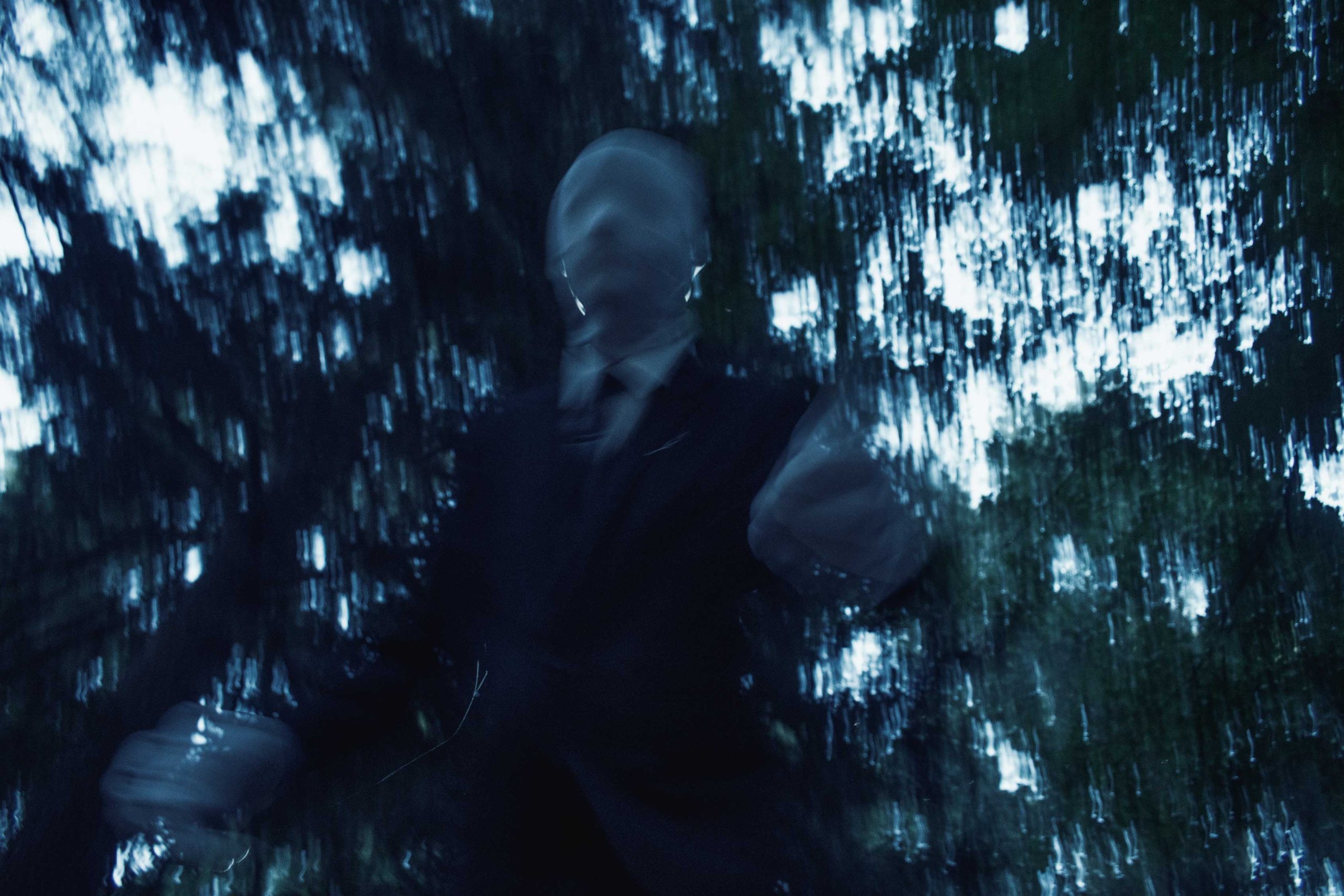
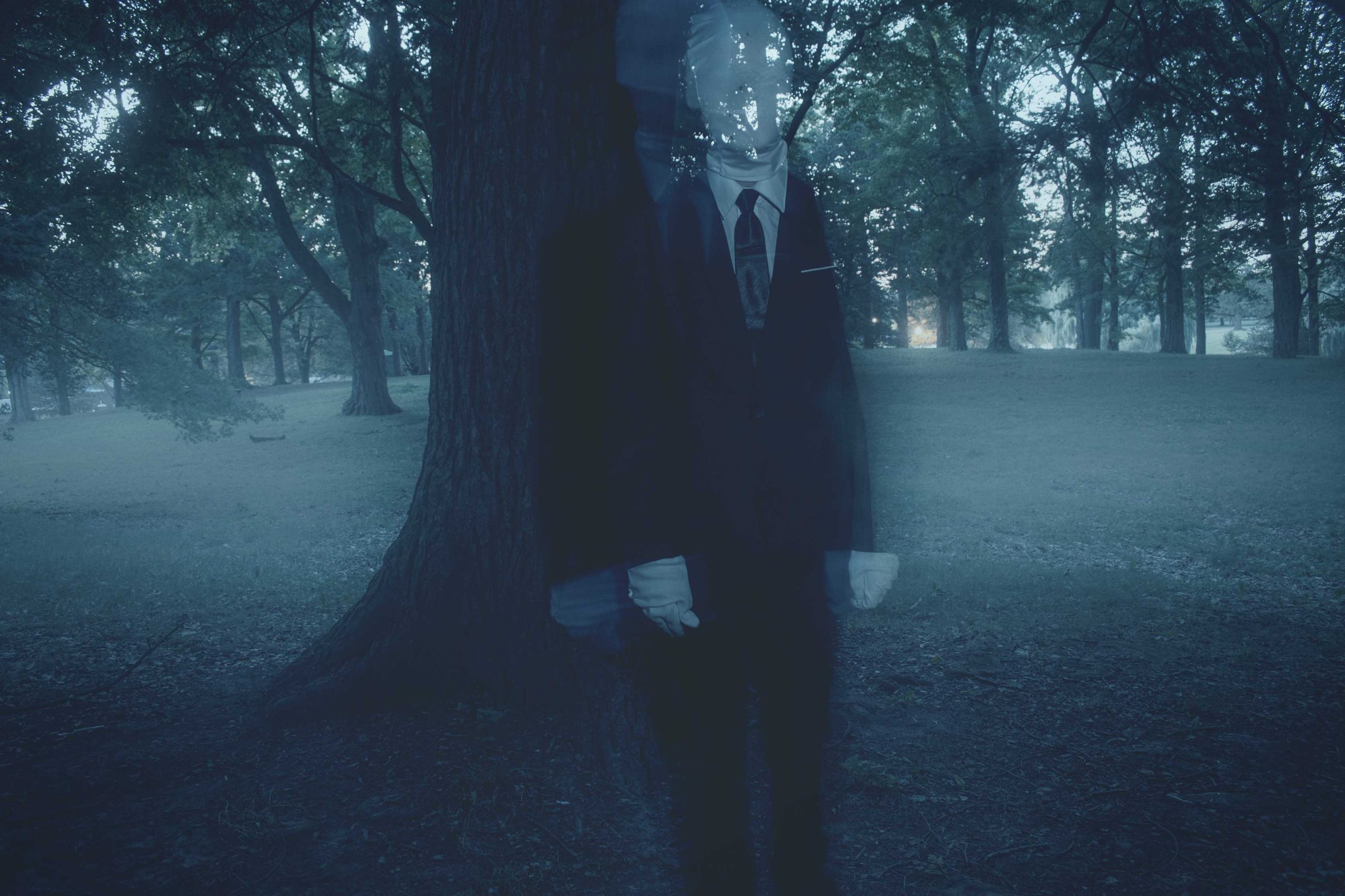
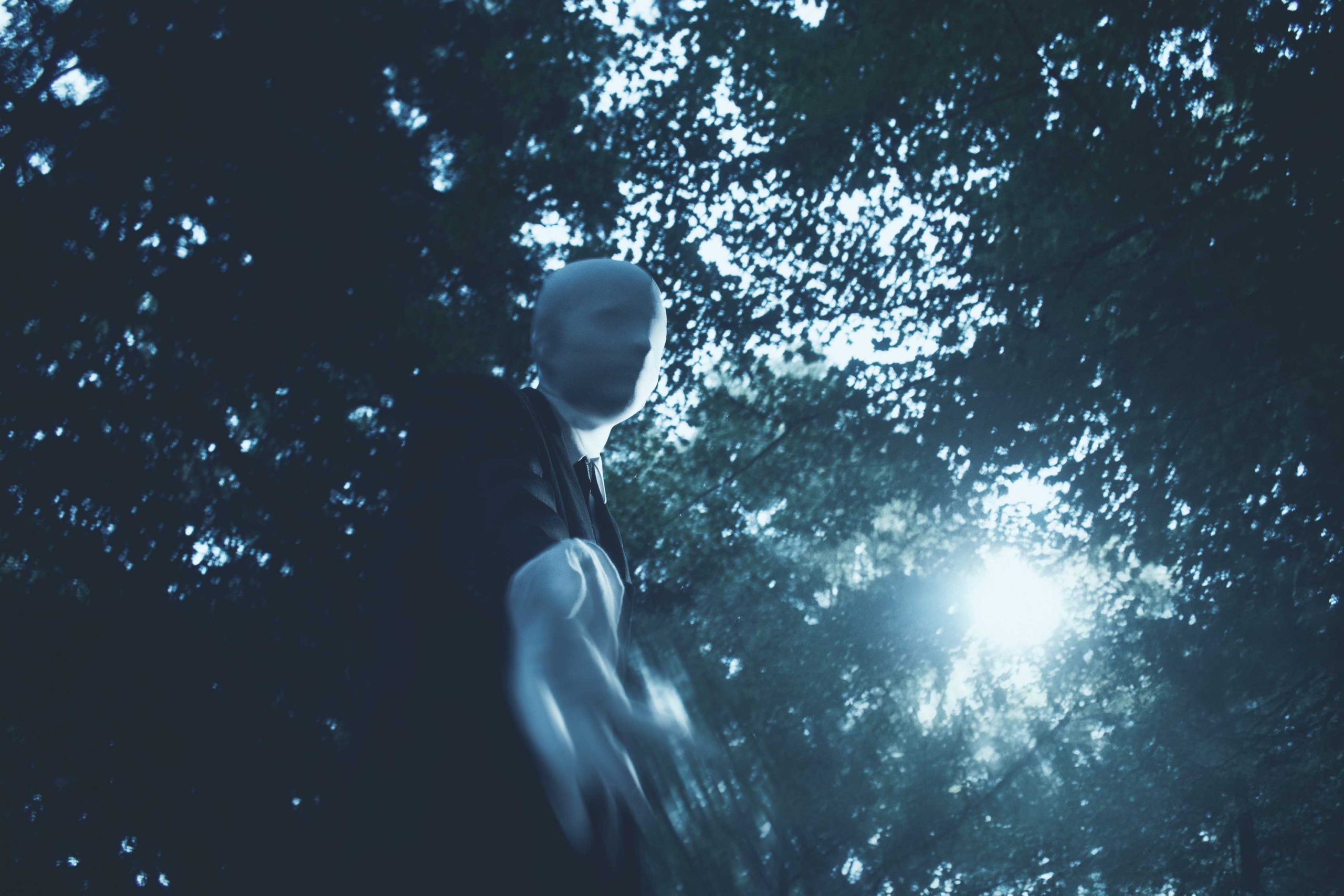
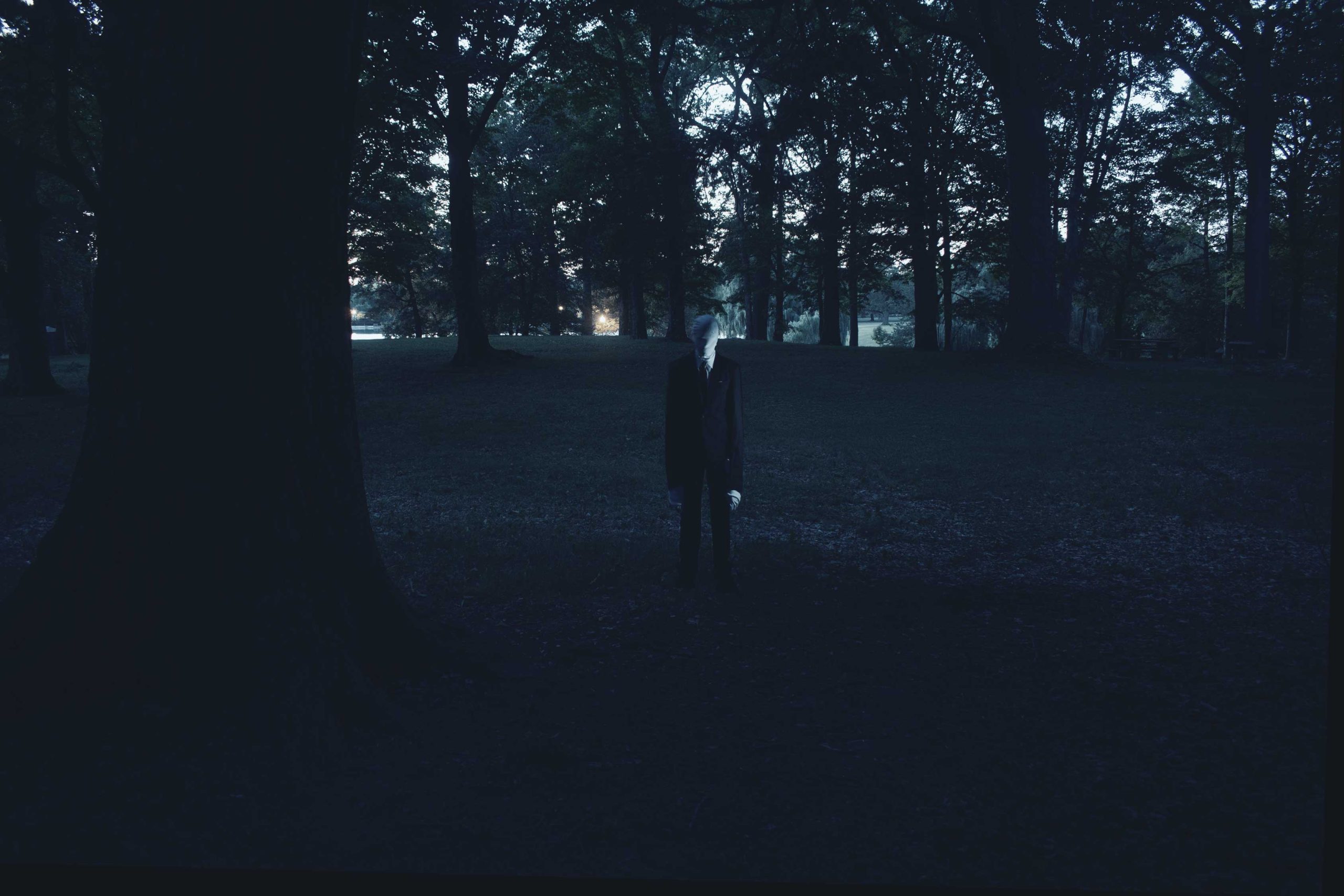
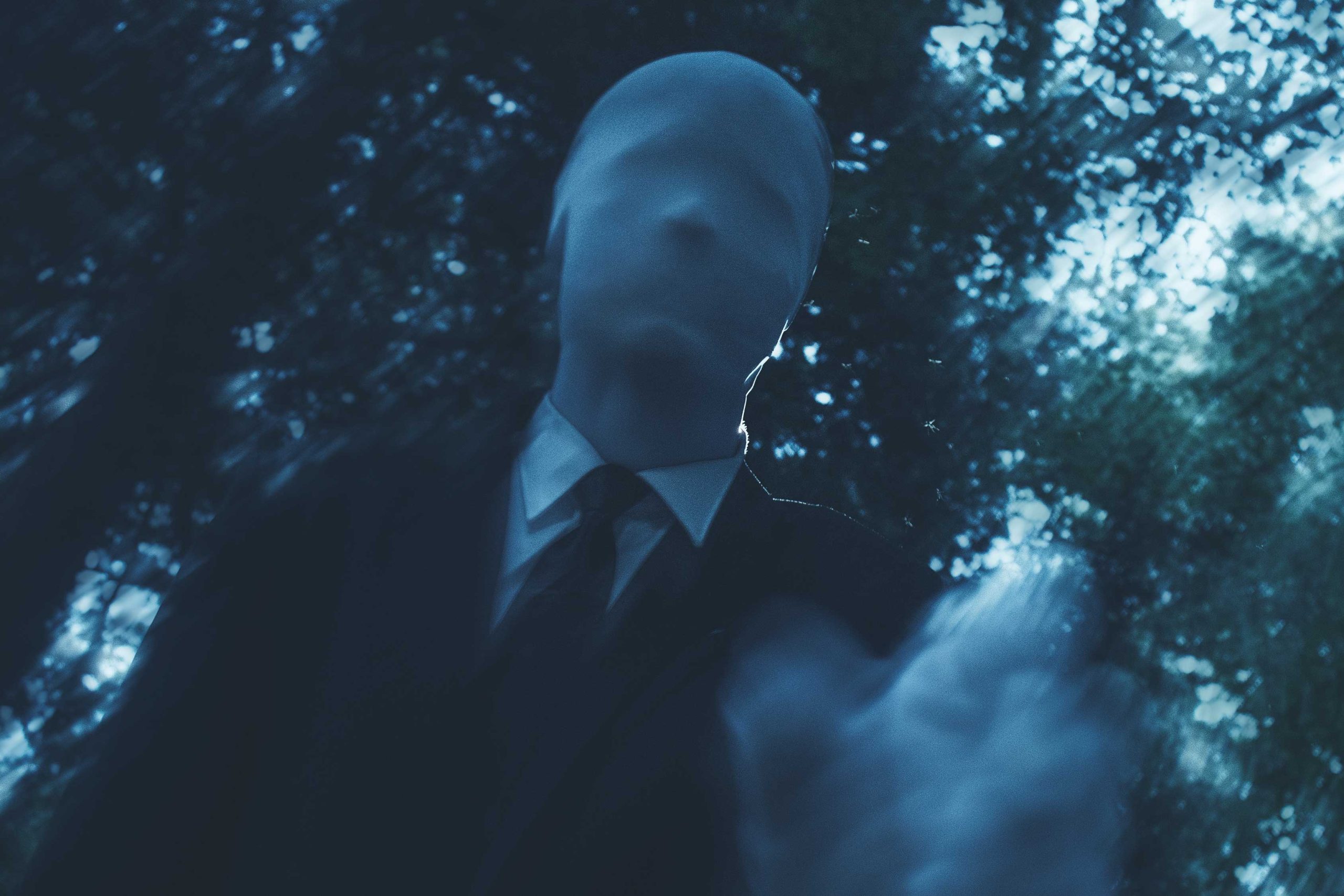
The woods should be alive with sound. But tonight, the quiet weighs heavier, like the trees themselves are holding their breath. Then you see it. A figure too tall, too still, stretched against the dark. You blink, and the forest rearranges itself.
Slenderman doesn’t move closer. He doesn’t need to. He simply waits, faceless and patient, until the silence itself begins to unravel you. Was he ever there at all?
DAY 2
Model: Rowan Montgomery
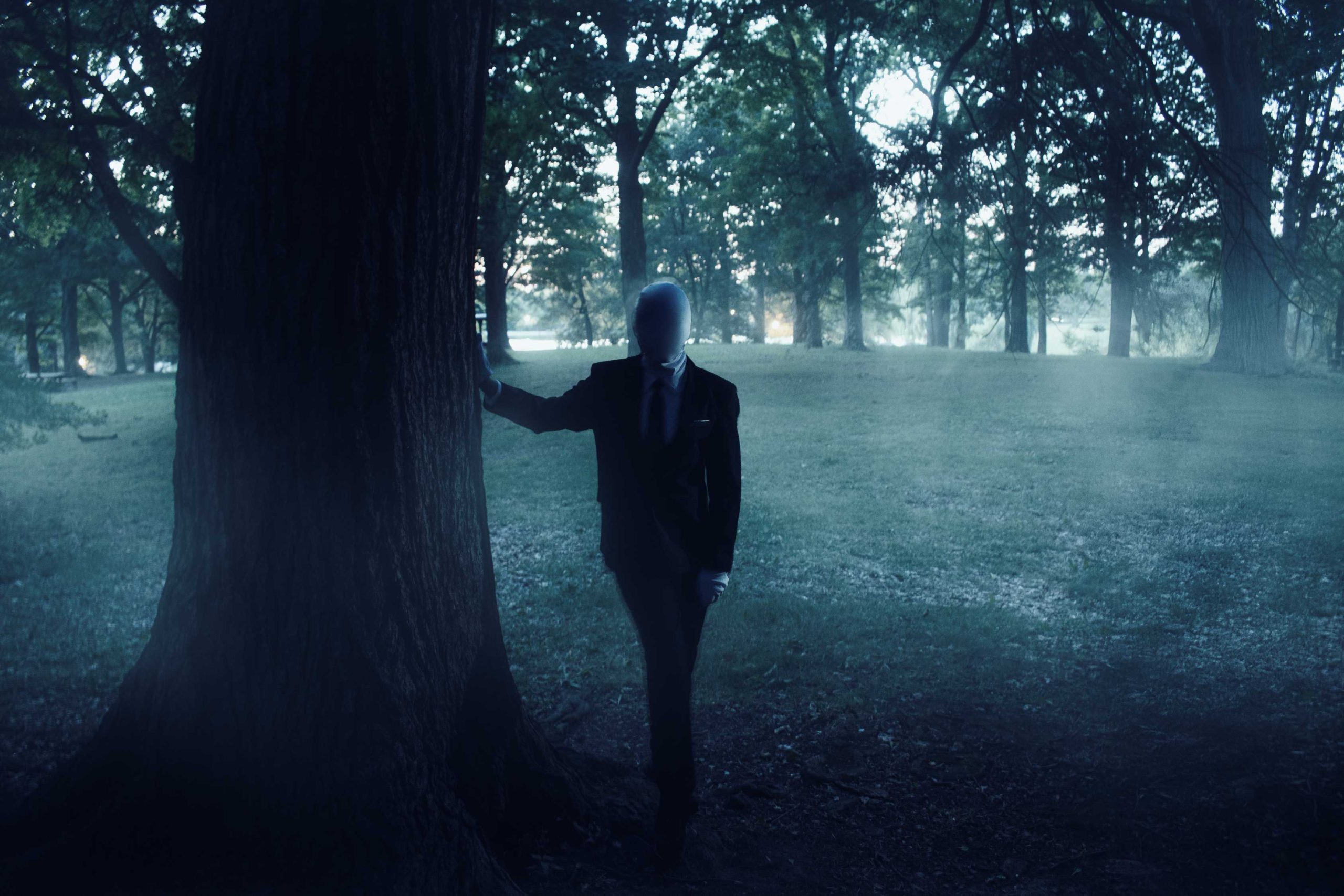
Unlike the Headless Horseman, whose legend dates back centuries, Slenderman is very modern. He was created in 2009, during a Photoshop contest on the “Something Awful” forums. Eric Knudsen, posting as Victor Surge, submitted eerie black-and-white photos of children with a tall, faceless figure lurking in the background. He called him “Slenderman”.
But what made him terrifying wasn’t the pictures themselves, it was the lack of story. Other internet users filled in the blanks, building a folklore in real time: stories of children vanishing, forests haunted, and victims driven to madness. Slenderman wasn’t owned by one storyteller—he spread through hundreds, each adding details, each deepening the myth.
Slenderman thrives because he represents something primal in us. He represents the unease of being watched, the wrongness of a shape that doesn’t belong, the fear that grows stronger the longer you stare. Unlike classic monsters with fixed rules, Slenderman has no origin, no boundaries. He exists in vagueness—in the silence between trees, in the blurred background of photographs, in the corner of your vision.
And maybe that’s why he lingers. He feels like a modern ghost, one born not in folklore but in the glow of computer screens, where stories never die—they only multiply.
Slenderman may be a young monster compared to the legends of old, but he has already earned his place among them. Because once you’ve seen him, the question isn’t whether he’s real.
It’s whether he’s already waiting.